
New here? This is lesson 177 of a free 240-lesson French course.
Wait, what? in French
Inès is on her third telling of the Lyon weekend, and this time a yak is standing on the platform.
Sam is at Café des Tilleuls. Gaspard sits at the next table and pretends not to hear.
You will stop a story, check a claim, ask who did what, and press for what exactly happened.
A first shock is not enough at B1. You follow up.
By the end of this lesson
Follow up on a surprise and ask what happened.
- Attends, quoi ?Wait, what?
- Sérieux ?Seriously?
- ___ a fait quoi ?___ did what?
- C'est incroyable !That's incredible!
- Comment tu le sais ?How do you know?
- Il s'est passé quoi, exactement ?What exactly happened?
Scene — the third telling
Sunday at Café des Tilleuls. Inès has already told the Lyon trip twice, and she is winding up for a third go.
Sam sits across from her. Gaspard occupies two chairs at the next table, his café crème still full. The window table stays empty behind the blank brass sign.

Learn — wait, what happened
Six lines help you stop a surprise and push for the rest.
You will check a claim, name who did what, and ask how they know.

Attends, quoi ?
Wait, what?
When to use it: Stop a friend mid-story when a detail does not add up.
Attends is the tu form; use it with a friend, not with staff.
Say it: The s at the end of Attends is silent.

Sérieux ?
Seriously?
When to use it: Check that a surprising claim is not a joke.
One word is enough; it is a check, not a full question.
Say it: The x in Sérieux is not a ks sound.

___ a fait quoi ?
___ did what?
When to use it: Ask what someone did after a shock, naming who in the blank.
Put the person or thing in the blank, then leave the rest as it is.
Say it: The t in fait is silent.

C'est incroyable !
That's incredible!
When to use it: React when a story sounds too big to believe.
C'est plus an adjective is a ready reaction, not a question.
Say it: The t in C'est links into incroyable.

Comment tu le sais ?
How do you know?
When to use it: Ask a friend how they know a surprising fact.
Le points back to the claim you just heard.

Il s'est passé quoi, exactement ?
What exactly happened?
When to use it: Ask for the full sequence after the first shock.
Quoi after the verb is the casual way to ask what happened.
Say it: S'est glides se and est into one short sound.
Story — a yak on the platform
Inès tells the Lyon weekend a third time. This version has a yak on the platform.
The highlighted words are the new lines. Turn on Show English if you need it.
- Inès leans in over the marble table. This is the third telling of Lyon.
 InèsCette fois, je te jure, il y avait un yak sur le quai.This time, I swear, there was a yak on the platform.
 SamAttends, quoi ?Wait, what?
- InèsUn yak, grand, avec un manteau, au moment du train.A yak, a big one, with a coat, at train time.
- SamSérieux ?Seriously?
- InèsOui. Il regardait les portes, comme tout le monde.Yes. He was watching the doors, like everyone else.
- SamUn yak a fait quoi ?A yak did what?
- InèsRien de spécial. Il était là, et après, plus rien.Nothing special. He was there, and then, gone.
- SamC'est incroyable !That's incredible!
- Gaspard studies his croissant. He does not look up.
- SamComment tu le sais ?How do you know?
- InèsJe l'ai vu de loin. Après le TGV, sur le quai d'à côté.I saw him from a distance. After the high-speed train, on the next platform.
- SamIl s'est passé quoi, exactement ?What exactly happened?
- InèsOn a raté notre train, on a pris le suivant, et j'ai vu le yak sur le quai d'à côté.We missed our train, we took the next one, and I saw the yak on the next platform.
- Sam glances at Gaspard. The yak pretends the croissant needs all of his attention.
- SamAttends, quoi ? Tu ajoutes un yak, là.Wait, what? You're adding a yak now.
- InèsJe te dis ce que j'ai vu. Le voyage ne s'est pas passé comme prévu. C'était plus compliqué que prévu.I'm telling you what I saw. The trip didn't go as planned. It was more complicated than expected.
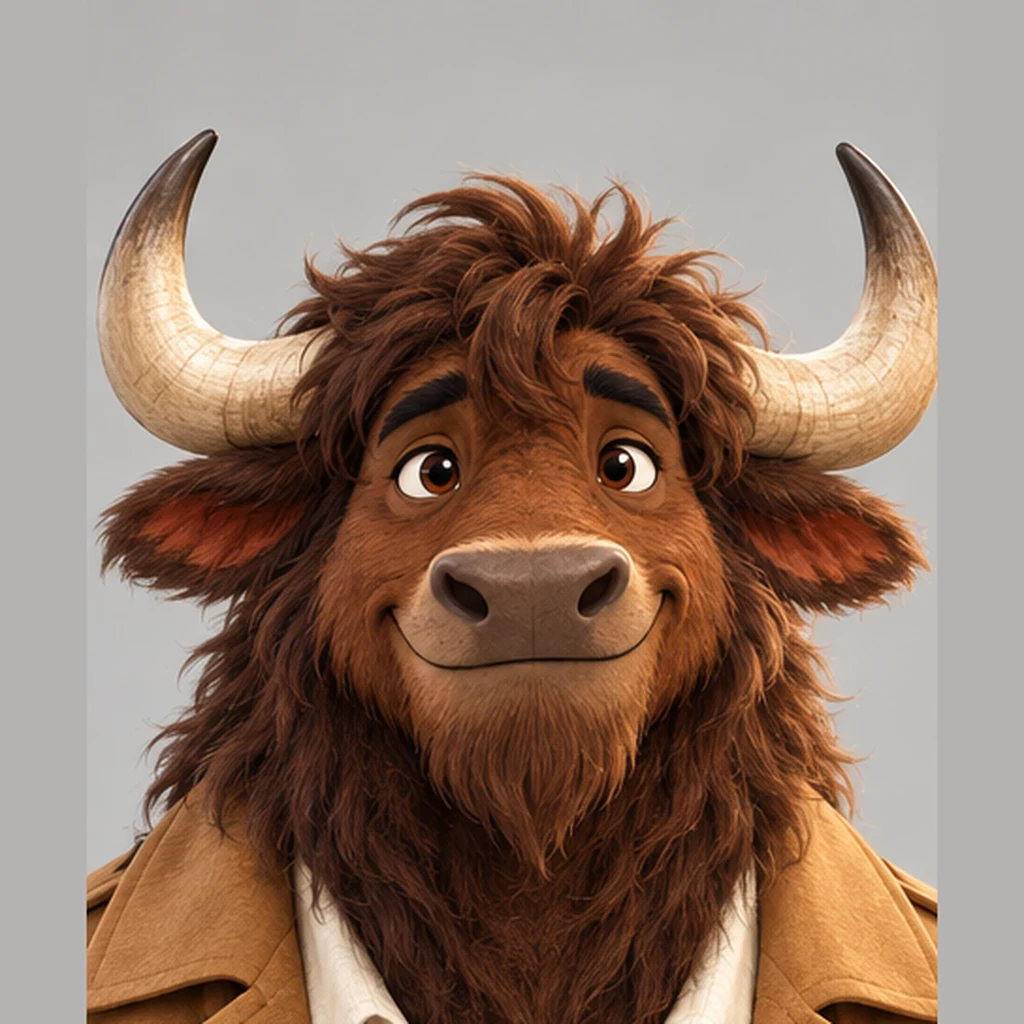 GaspardMoi ? Je n'ai rien entendu.Me? I didn't hear a thing.
Practice — press for details
Ten short tasks mix listening, gaps, a swap, and a build.
Wrong answers sound close, but they do not follow up on the surprise.
0 of 10 done
What did you hear?
What did you hear?
What does it mean?
What does it mean?
Sérieux ?
What did you hear?
What did you hear?
What do you say?
What do you say?
Inès said the yak just stood there. React that the story is too big to believe.
What do you say?
What do you say?
Inès brushed off the yak. Ask her to tell you the full sequence.
Swap the word
Swap the word
Inès just made a huge claim. Ask how she knows.
Comment tu le ____ ?
Build the line
Build the line
That's incredible!
!
Tap the words in order.
Match the pairs
French
Attends, quoi ?Drop the English hereSérieux ?Drop the English hereC'est incroyable !Drop the English hereComment tu le sais ?Drop the English hereEnglish
True or false?
True or false?
She is saying the trip did not go as planned.
Fill the gap
Fill the gap
It was more complicated than expected.
C'était plus ____ que prévu.
Say it — stop her there
Now you are Sam, and Inès is adding a yak to the Lyon story. Tap the microphone on your turn.
Tap ▶ first if you want to hear the line. Your recording stays on your device.
- InèsCette fois, il y avait un yak sur le quai.This time, there was a yak on the platform.
- Sam (you)Stop her. That last detail cannot be right.
Stop her. That last detail cannot be right.
Attends, quoi ?
Wait, what?
0 of 6 said
Recap — what you can say now
| French | English | Play |
|---|---|---|
| Attends, quoi ? | Wait, what? | |
| Sérieux ? | Seriously? | |
| ___ a fait quoi ? | ___ did what? | |
| C'est incroyable ! | That's incredible! | |
| Comment tu le sais ? | How do you know? | |
| Il s'est passé quoi, exactement ? | What exactly happened? |
Save your progress — it’s free
Keep your place in the course and see which lines you’ve learned.
Want the next lesson in your inbox?
Get the next lesson by email, one a day.
Join the newsletterDaily lesson emails are coming soon. Newsletter subscribers get them first.
Keep practicing with Yak Cards
Want these follow-ups on your phone? Grab the Yak Cards for this lesson and review them anywhere.
A quick round with the Yak Cards keeps these follow-ups ready the next time a story grows.
Open Yak Cards