
New here? This is lesson 172 of a free 240-lesson French course.
How it turned out in French
Inès is back at Café des Tilleuls. She looks back on a rushed last trip home to Lyon, and it turned out fine.
Sam listens, then talks about the stress at the start.
By the end, you'll look back, say how it went, and name what you had not realised.
This time, Sam says, they will check the platform.
By the end of this lesson
Look back and say how things turned out.
- Avec le recul, je pense que ___.Looking back, I think ___
- Finalement, c'était ___.In the end, it was ___
- Je ne m'étais pas rendu compte que c'était si près.I hadn't realised it was so close
- On devait partir plus tôt, mais on a trop parlé.We were supposed to leave earlier, but we talked too much
- Au début, j'étais un peu stressé.At first I was a bit stressed
- Plus tard, ça s'est bien passé.Later on, it went well
Scene — looking back
Sunday afternoon at Café des Tilleuls. Inès sits with Sam at a round table, denim jacket on the chair.
Gaspard is at the next table on two chairs, café crème untouched. The window table still has its blank brass sign.
Inès has just come back from a short, rushed visit home to Lyon. They look back, not forward.

Learn — how it turned out
Six lines help you look back: what you think now, how it was in the end, and what you had not seen.
You'll also say you were stressed at first, then that it went well.

Avec le recul, je pense que ___.
Looking back, I think ___
When to use it: Use this when you share what you think now, after some time.
Finish the line with the thought you have now.

Finalement, c'était ___.
In the end, it was ___
When to use it: Use this when you sum up how something was, once it ended.
Keep c'était and add how it was in the end.

Je ne m'étais pas rendu compte que c'était si près.
I hadn't realised it was so close
When to use it: Say this when you missed a fact, like how close something was.
A man says rendu; a woman says rendue in this chunk.
Say it: M'étais is me plus étais, with an elision.

On devait partir plus tôt, mais on a trop parlé.
We were supposed to leave earlier, but we talked too much
When to use it: Use this when talking too long made you leave later than planned.
On means we here, the usual spoken way for a group.
Say it: The s in plus is silent in plus tôt.

Au début, j'étais un peu stressé.
At first I was a bit stressed
When to use it: Use this when you name how you felt at the start.
A man says stressé; a woman says stressée for this feeling.
Say it: J'étais is je plus étais, with an elision.

Plus tard, ça s'est bien passé.
Later on, it went well
When to use it: Use this when things went well after a rough start.
This passé is about how an event went, not walking past.
Say it: S'est is se plus est, with an elision.
Story — it was fine
Listen as Inès and Sam look back on that rushed trip to Lyon. It turned out fine, in the end.
The highlighted words are the lines you just learned. Turn on Show English if you need it.
- Sunday light. Inès has put her bag down. The blank brass sign still sits on the window table.
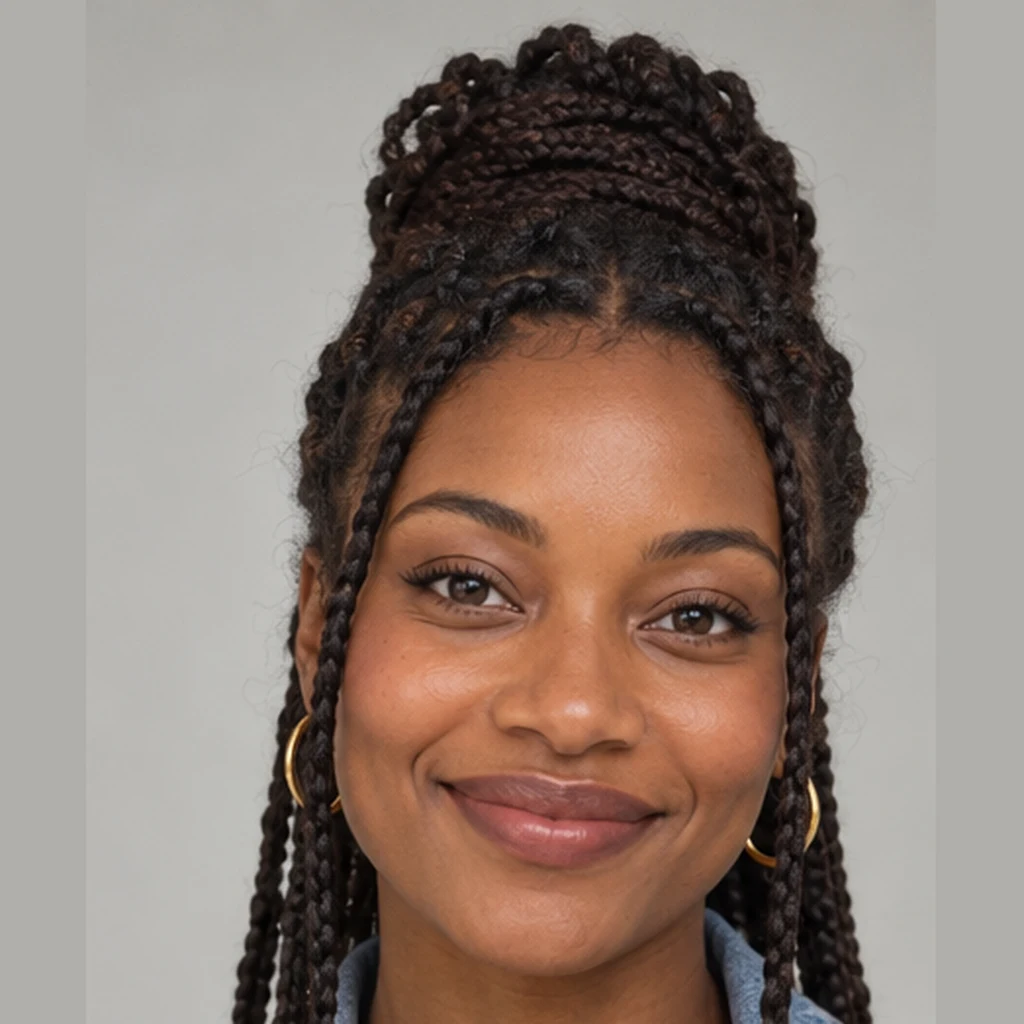 InèsAvec le recul, je pense que c'était trop juste.Looking back, I think it was too tight.
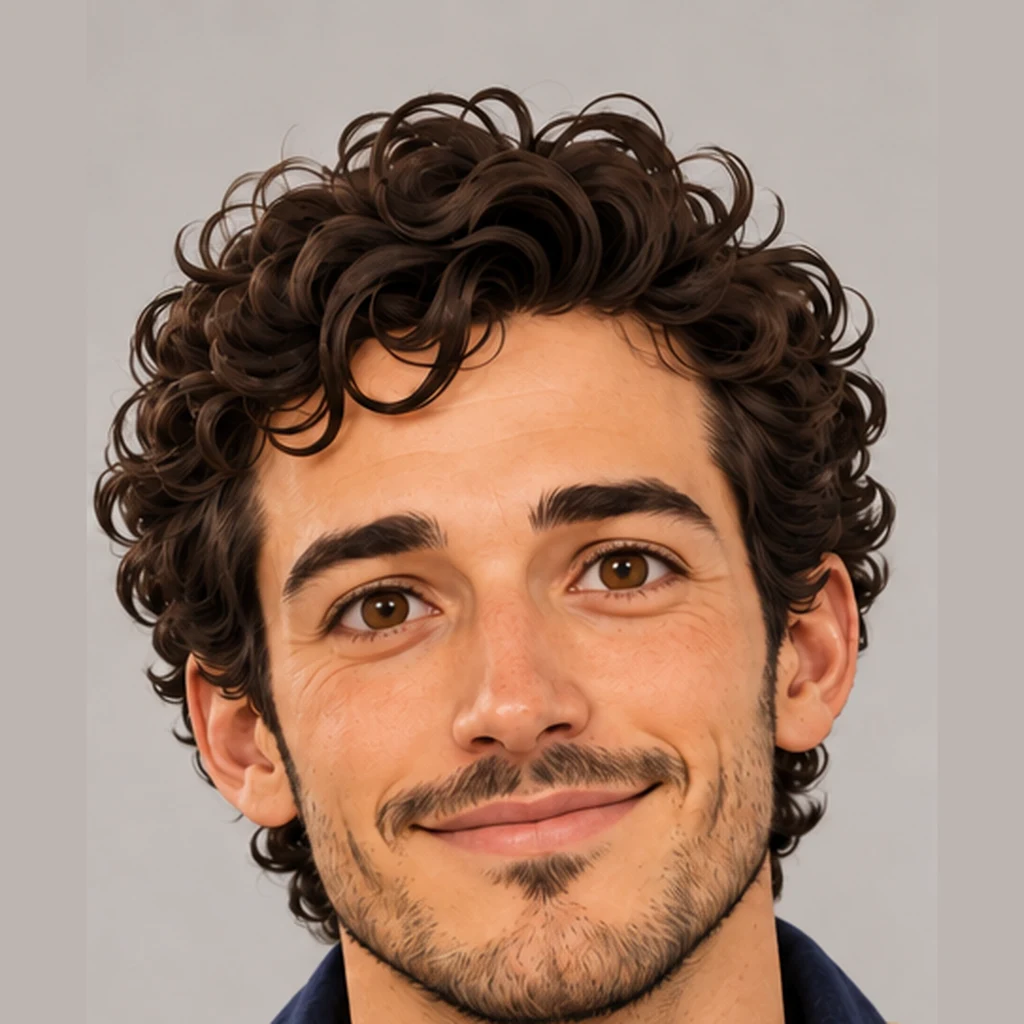 SamLe voyage ne s'est pas passé comme prévu.The trip didn't go as planned.
- InèsOn devait partir plus tôt, mais on a trop parlé.We were supposed to leave earlier, but we talked too much.
- InèsDu coup, on a couru jusqu'au quai.So we ran to the platform.
- Sam nods. He still sees the last minutes on the platform.
- SamAu début, j'étais un peu stressé.At first I was a bit stressed.
- InèsEt la correspondance ? Tu as vu le quai ?And the connection? Did you see the platform?
- SamJe ne m'étais pas rendu compte que c'était si près.I hadn't realised it was so close.
- InèsChez mes parents, c'est cinq minutes à pied.My parents' place is a five-minute walk.
- SamFinalement, c'était simple.In the end, it was simple.
- InèsPlus tard, ça s'est bien passé.Later on, it went well.
- Gaspard turns on his two chairs. His café crème is still full.
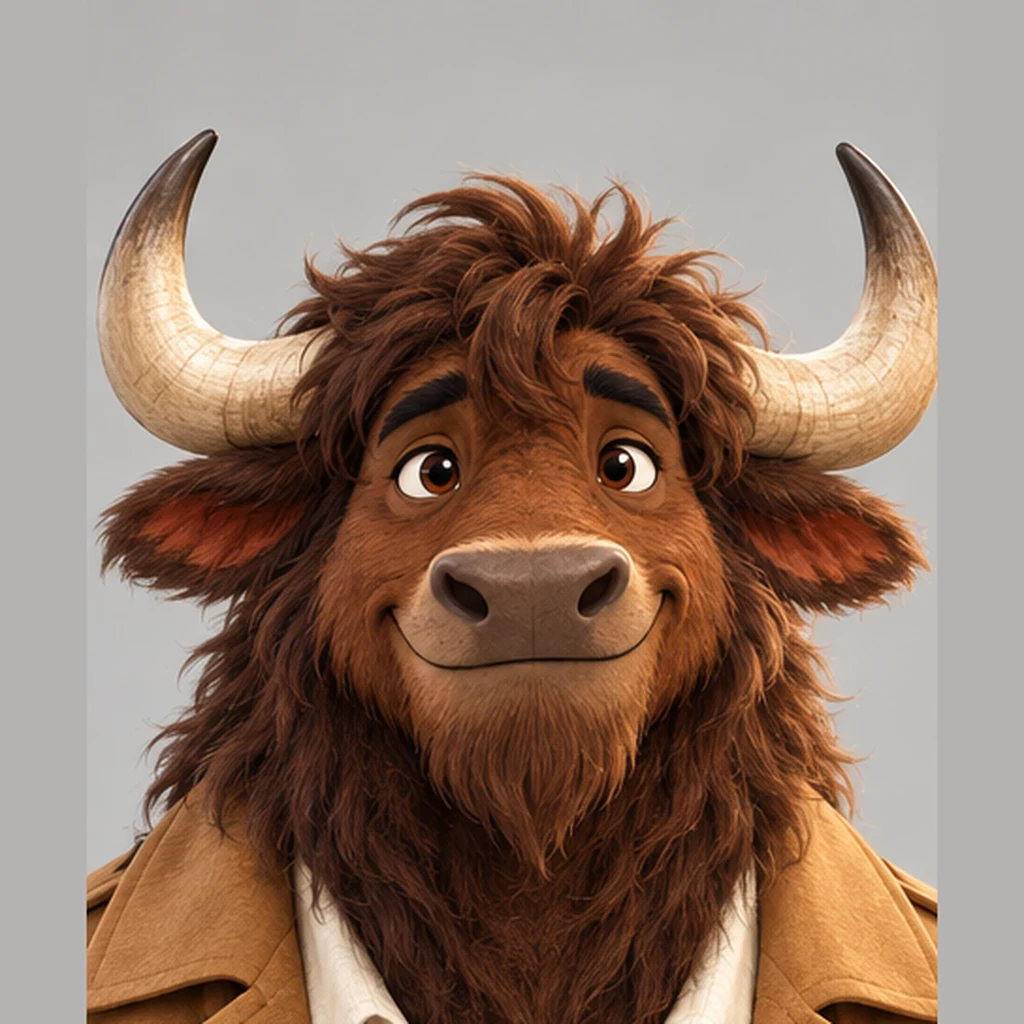 GaspardVous êtes rentrés à l'heure, alors ?So you got back on time, then?
- InèsOui, on est rentrés à l'heure.Yes, we got back on time.
- SamLa prochaine fois, je vérifie le quai.Next time, I'll check the platform.
- InèsMoi aussi. On le note avant de partir.Me too. We'll note it before we leave.
- GaspardBonne idée.Good idea.
Practice — start then later
Eleven short exercises wait here. You'll listen, fill a gap, build a line, and pick what you heard from the café talk.
They stay on looking back, so the round still moves fast.
0 of 11 done
What did you hear?
What did you hear?
What does it mean?
What does it mean?
Avec le recul, je pense que ___.
Fill the gap
Fill the gap
We were supposed to leave earlier, but we talked too much
On devait partir plus ____, mais on a trop parlé.
What do you say?
What do you say?
Inès asks how you felt at the start of that rushed trip.
Build the line
Build the line
I hadn't realised it was so close
.
Tap the words in order.
Swap the word
Swap the word
Say that later on, after the rush, it went well.
Plus tard, ça s'est ____ passé.
Pick the reply
Inès says:
Pick the reply
Tu as trouvé que c'était loin ?
Did you think it was far?
And you reply with:
True or false?
True or false?
This line means the trip did not go as planned.
What do you say?
What do you say?
The rushed trip is over. Sum up how it was in the end.
Match the pairs
French
Je ne m'étais pas rendu compte que c'était si près.Drop the English hereOn devait partir plus tôt, mais on a trop parlé.Drop the English hereAu début, j'étais un peu stressé.Drop the English herePlus tard, ça s'est bien passé.Drop the English hereEnglish
What do you say?
What do you say?
You almost missed the platform this time. Say what you will do next time.
Say it — tell it back
Now you're Sam at the café, looking back with Inès. When it's your turn, tap the microphone and speak the line.
Tap ▶ first if you want to hear the line. Your recording stays on your device.
- InèsAllez, tu en penses quoi, maintenant ?Go on, what do you think about it now?
- Sam (you)Looking back, say you think it was too tight.
Looking back, say you think it was too tight.
Avec le recul, je pense que ___.
Looking back, I think ___
0 of 6 said
Recap — what you can say now
| French | English | Play |
|---|---|---|
| Avec le recul, je pense que ___. | Looking back, I think ___ | |
| Finalement, c'était ___. | In the end, it was ___ | |
| Je ne m'étais pas rendu compte que c'était si près. | I hadn't realised it was so close | |
| On devait partir plus tôt, mais on a trop parlé. | We were supposed to leave earlier, but we talked too much | |
| Au début, j'étais un peu stressé. | At first I was a bit stressed | |
| Plus tard, ça s'est bien passé. | Later on, it went well |
Save your progress — it’s free
Keep your place in the course and see which lines you’ve learned.
Want the next lesson in your inbox?
Get the next lesson by email, one a day.
Join the newsletterDaily lesson emails are coming soon. Newsletter subscribers get them first.
Keep practicing with Yak Cards
Want to keep these looking-back lines handy? Grab the Yak Cards for this lesson and review them anywhere.
A short round with the Yak Cards keeps these looking-back lines ready.
Open Yak Cards