Skip to content
The Yak Yacker colorful logo for the language teaching platform
  • Home
  • Learn a Language!
    • How to Learn a Language
    • Learn English
    • Learn Spanish
    • Learn French
    • Learn German
    • Learn Traditional Chinese
    • Learn Simplified Chinese
  • About
  • Newsletter
Search
The Yak Yacker colorful logo for the language teaching platform
  • Home
  • Learn a Language!
    • How to Learn a Language
    • Learn English
    • Learn Spanish
    • Learn French
    • Learn German
    • Learn Traditional Chinese
    • Learn Simplified Chinese
  • About
  • Newsletter

Learn Trad Chinese – All Posts

All Yak Yacker Traditional Chinese posts (繁體中文 fántǐ zhōngwén)—practical phrases, characters, grammar patterns, and Taiwan-style Mandarin learning tips.

A personified yak Chinese teacher that compares Zhuyin vs Pinyin vs handwriting for typing Traditional Chinese on iPhone.

How to Type Traditional Chinese on iPhone

A personified yak Chinese teacher that explains Taiwan Chinese vs Mainland Chinese vocabulary and grammar differences.

Taiwan Chinese vs Mainland Chinese

A personified yak Chinese teacher that teaches Traditional Chinese swear words with pinyin and safer alternatives.

Traditional Chinese Swear Words (Taiwan)

A personified yak Chinese teacher that teaches Taiwan Mandarin slang, pronunciation quirks, and local words.

Mandarin Slang and Local Words: Taiwan Traditional Chinese

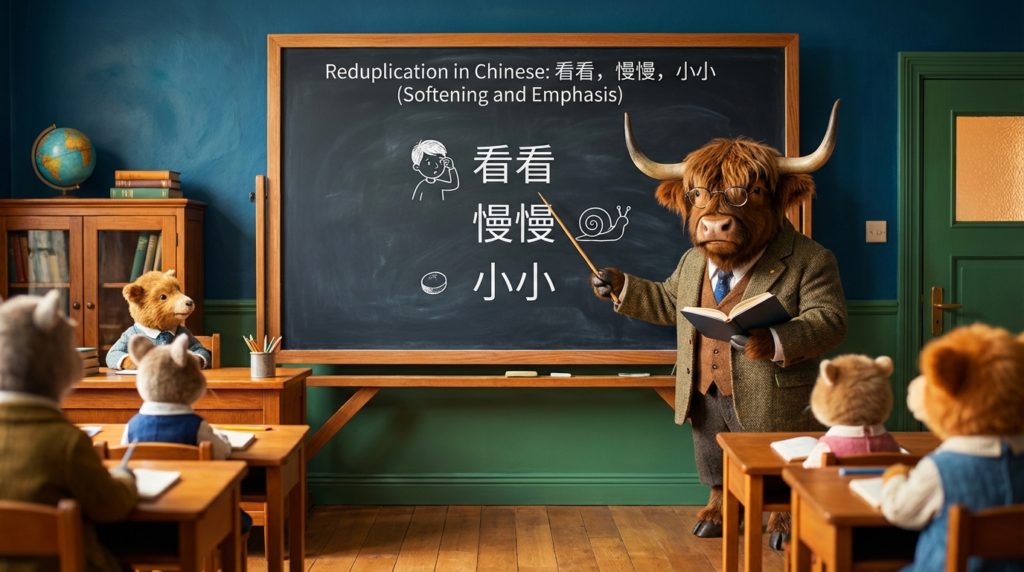
A personified yak Chinese teacher that explains Chinese reduplication with 看看 慢慢 小小 for softening and emphasis.

Reduplication of Words in Traditional Chinese

A personified yak Chinese teacher that explains 呢 (ne) for follow-up questions and a softer tone in Traditional Chinese.

Traditional Chinese 呢 (ne) explained

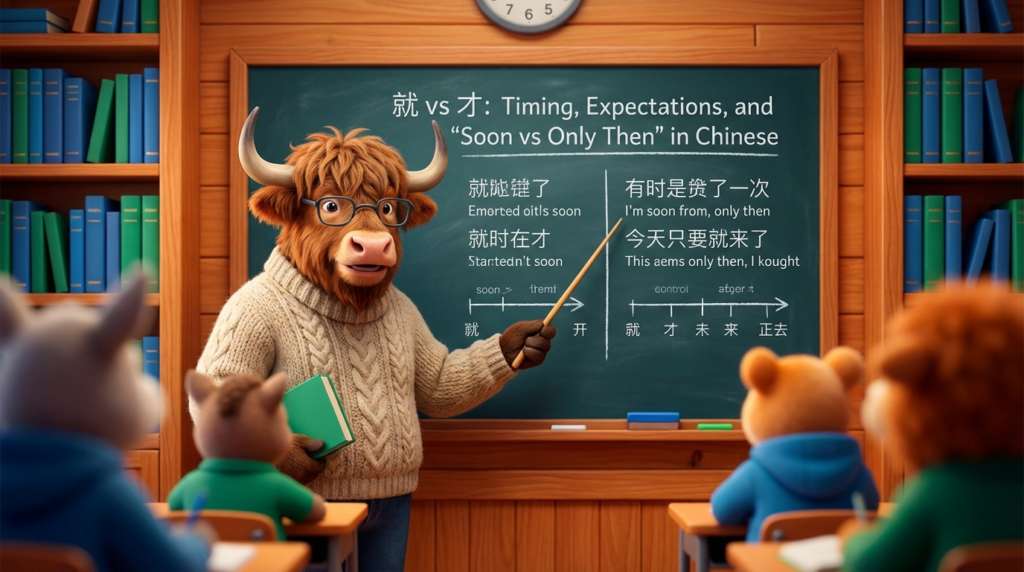
A personified yak Chinese teacher that explains Chinese 就 vs 才 with timing and expectation examples in Traditional Chinese.

Chinese 就 (jiù) vs 才 (cái): When To Use Each (Timing, Expectations, “Soon vs Only Then”)

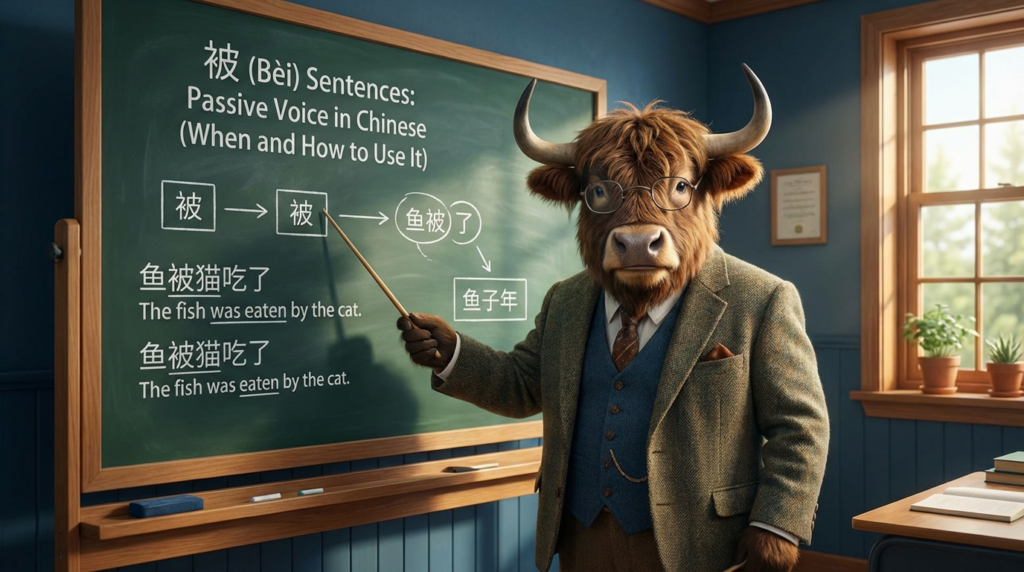
A personified yak Chinese teacher that explains Traditional Chinese 被 sentences passive voice with pinyin examples.

被 (Bèi) Sentences: Passive Voice In Chinese

A personified yak Chinese teacher that teaches Traditional Chinese 把 (bǎ) sentences for rearranging objects with pinyin and real-life examples.

把 (Bǎ) Sentences in Traditional Chinese

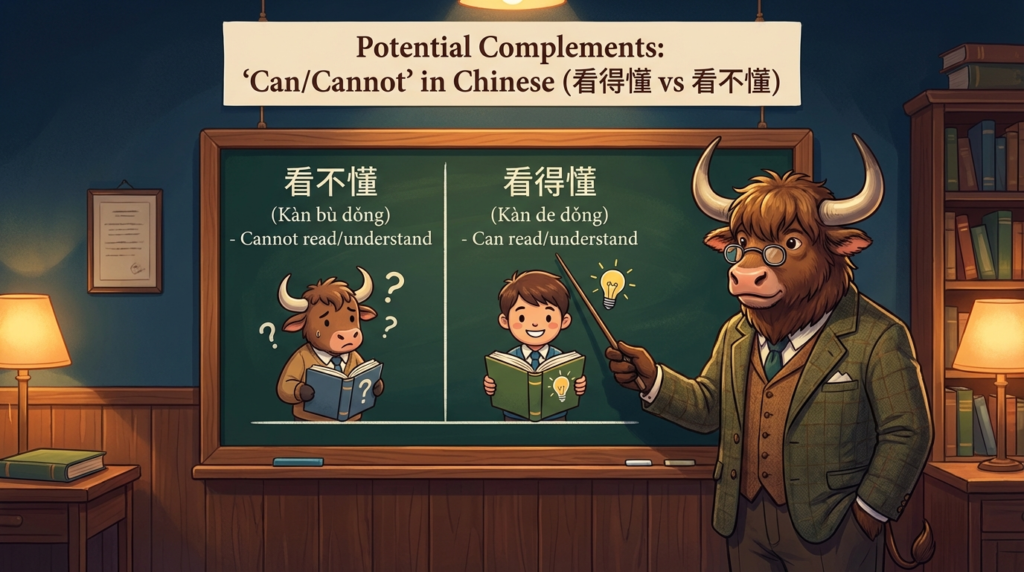
A personified yak Chinese teacher that explains 看得懂 vs 看不懂 “can/can’t” potential complements in Traditional Chinese.

“Can / Can’t” In Chinese: 看得懂 vs 看不懂

← Previous 1 … 6 7 8 … 20 Next →
  • How to Learn a Language
  • Learn English – All Posts
  • Learn Spanish – All Posts
  • Learn French – All Posts
  • Learn German – All Posts
  • Learn Traditional Chinese
  • Learn Simplified Chinese
  • Newsletter
  • Privacy Policy
  • Terms of Service

Copyright © 2026 Yak Yacker. Powered by Yak Yacker.