Skip to content
The Yak Yacker colorful logo for the language teaching platform
  • Home
  • Learn a Language!
    • How to Learn a Language
    • Learn English
    • Learn Spanish
    • Learn French
    • Learn German
    • Learn Traditional Chinese
    • Learn Simplified Chinese
  • About
  • Newsletter
Search
The Yak Yacker colorful logo for the language teaching platform
  • Home
  • Learn a Language!
    • How to Learn a Language
    • Learn English
    • Learn Spanish
    • Learn French
    • Learn German
    • Learn Traditional Chinese
    • Learn Simplified Chinese
  • About
  • Newsletter
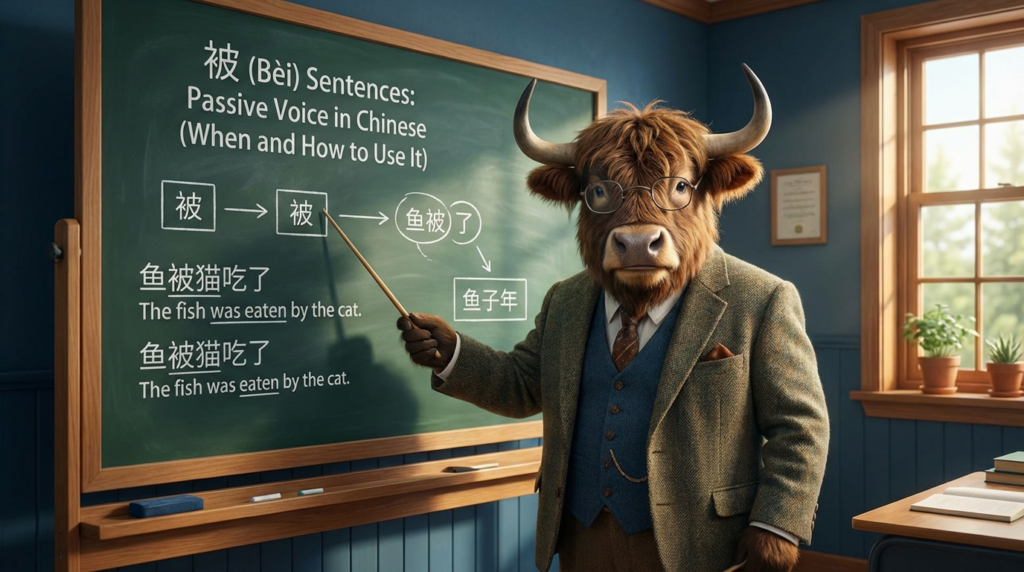
A personified yak Chinese teacher that explains Traditional Chinese 被 sentences passive voice with pinyin examples.

被 (Bèi) Sentences: Passive Voice In Chinese

A personified yak Chinese teacher that teaches Traditional Chinese 把 (bǎ) sentences for rearranging objects with pinyin and real-life examples.

把 (Bǎ) Sentences in Traditional Chinese

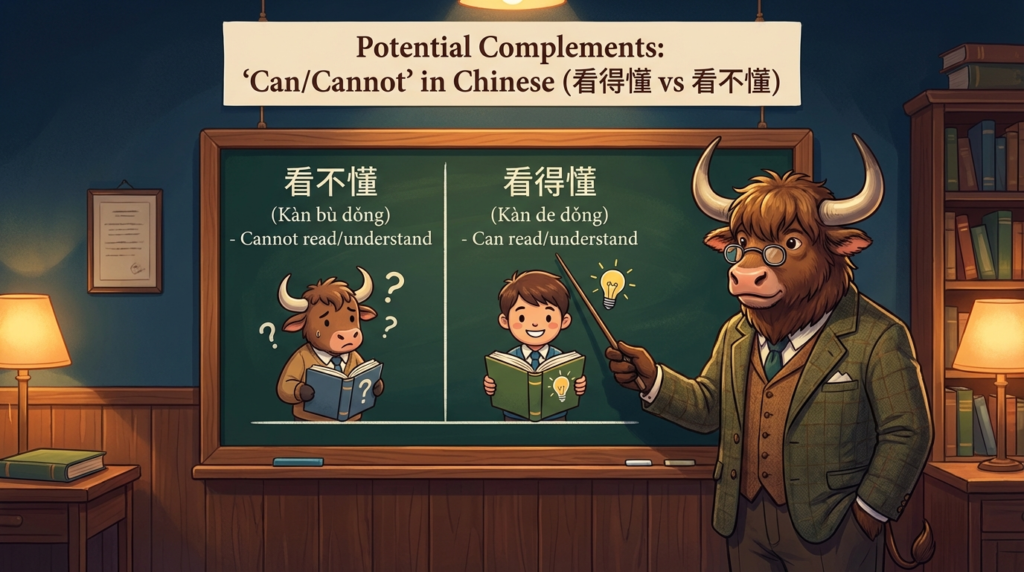
A personified yak Chinese teacher that explains 看得懂 vs 看不懂 “can/can’t” potential complements in Traditional Chinese.

“Can / Can’t” In Chinese: 看得懂 vs 看不懂

A personified yak Chinese teacher that explains 會 vs 能 vs 可以 for saying can will may in Traditional Chinese.

會 vs 能 vs 可以: Picking The Right “Can / Will / May”

A personified yak Chinese teacher that explains Traditional Chinese 了 (le) finished actions vs sentence-ending 了.

Traditional Chinese 了 (Le) Explained

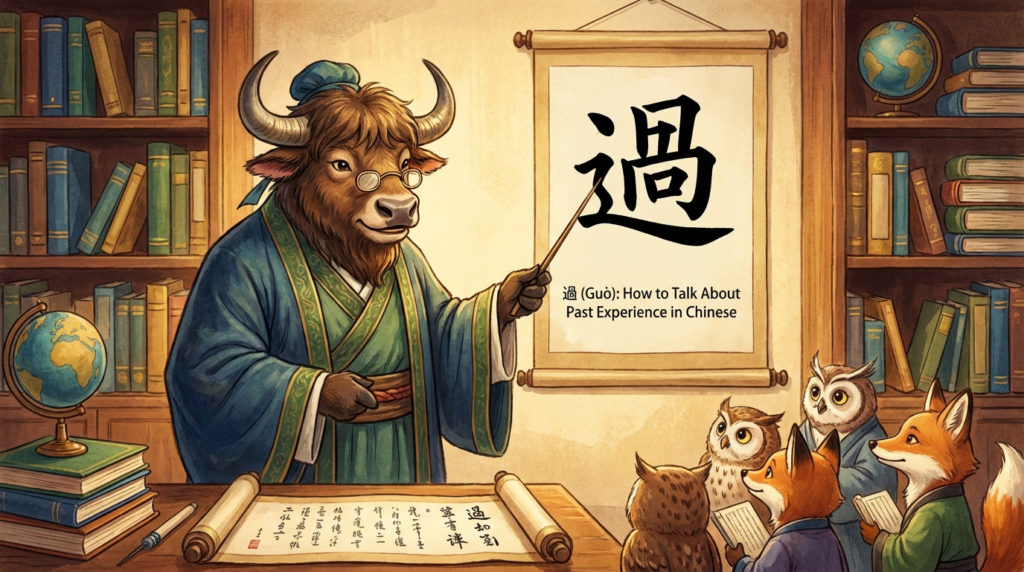
A personified yak Chinese teacher that explains 過 (guò) for talking about past experience in Traditional Chinese.

過 (Guò) Grammar: How to Talk About Past Experience in Traditional Chinese

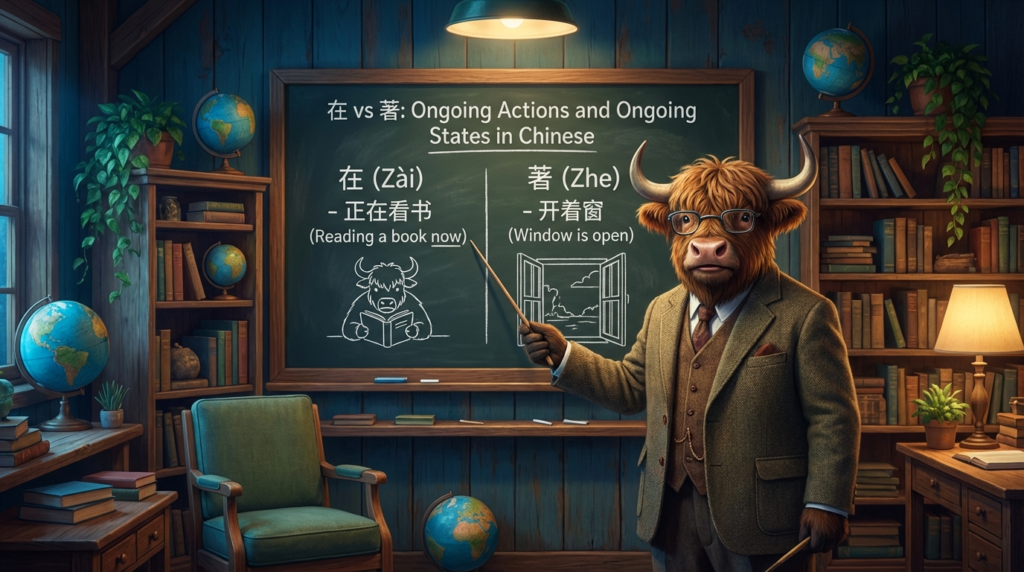
A personified yak Chinese teacher that explains Traditional Chinese 在 vs 著 for ongoing actions and ongoing states.

在 vs 著: Ongoing Actions Vs Ongoing States in Traditional Chinese

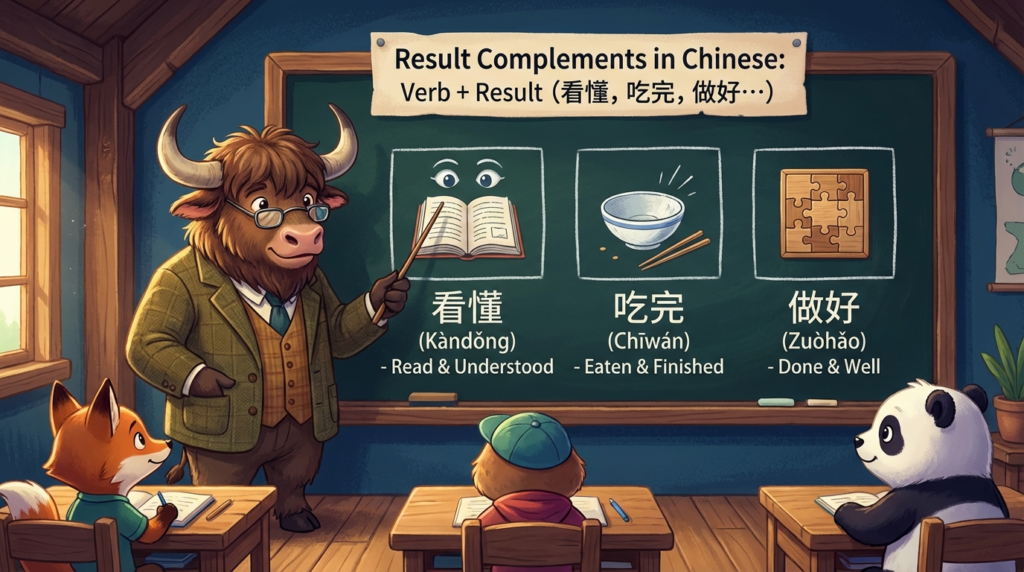
A personified yak Chinese teacher that explains Chinese result complements Verb + Result like 看懂 吃完 做好.

Chinese Result Complements (Verb + Result): The “I Actually Finished It” Upgrade

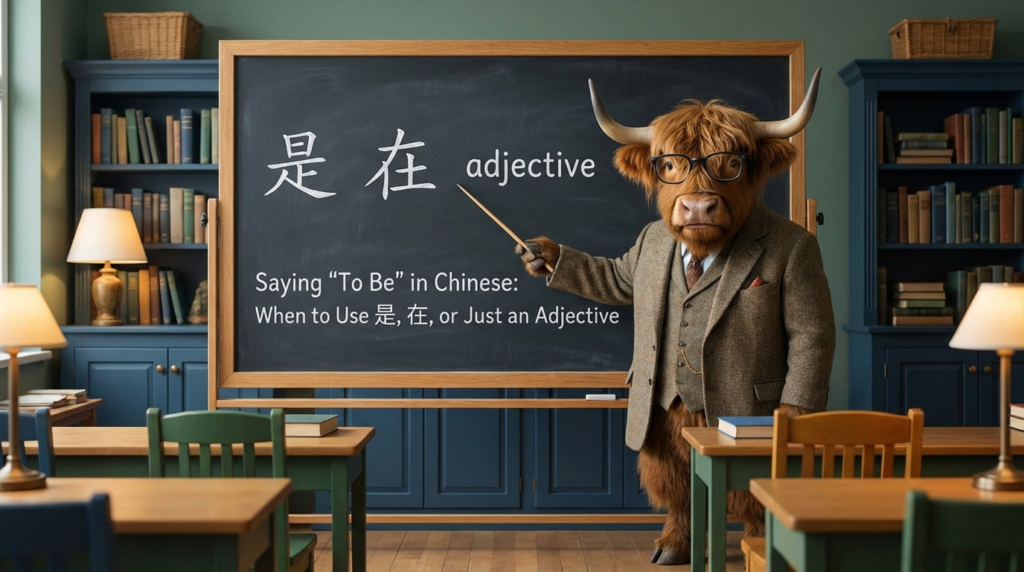
A personified yak Chinese teacher that explains when to use 是, 在, or adjective for “to be” in Traditional Chinese.

To Be In Chinese: 是 vs 在 vs Just An Adjective

A personified yak Chinese teacher that explains using 有 (yǒu) for there is/are and to have in Traditional Chinese.

Using 有 (Yǒu) In Trad Chinese

← Previous 1 … 58 59 60 … 103 Next →
  • How to Learn a Language
  • Learn English – All Posts
  • Learn Spanish – All Posts
  • Learn French – All Posts
  • Learn German – All Posts
  • Learn Traditional Chinese
  • Learn Simplified Chinese
  • Newsletter
  • Privacy Policy
  • Terms of Service

Copyright © 2026 Yak Yacker. Powered by Yak Yacker.