Japanese Sports Vocabulary For Beginners
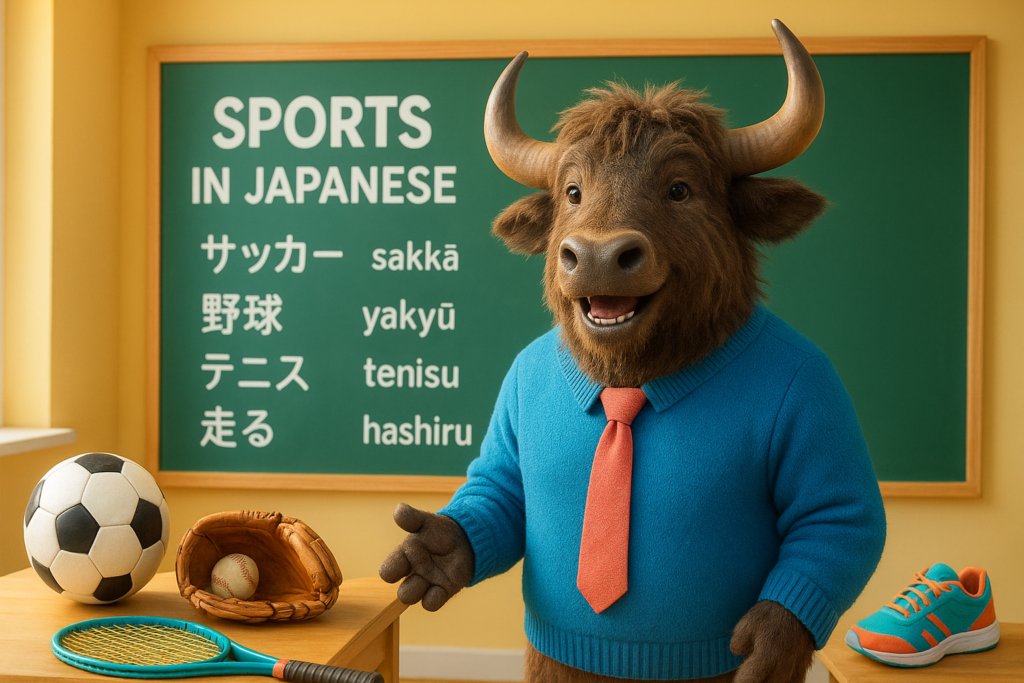
スポーツ (supōtsu) • Useful Sports Words, Phrases, And Match-Day Japanese
You can study Japanese for months and still freeze the second someone asks, “Do you play sports?” Not because the question is hard. Because your brain suddenly becomes a noisy closet and all the words fall off the shelf.
Sports vocabulary is wonderfully practical. You need it for school clubs, weekend hobbies, gym chatter, baseball talk, World Cup panic, and those oddly intense conversations about whether walking counts as exercise. It does, by the way. Your knees voted yes.
In this guide, you’ll learn common sports names, useful action words, and real phrases you can actually say. Every entry gives you the Japanese, the Rōmaji, the English meaning, and a natural example sentence, so you are not stuck memorizing lonely little word nuggets.
A Quick Yak Nudge
Japanese uses a lot of katakana for sports names: サッカー (sakkā), テニス (tenisu), バスケ (basuke). That is normal. Do not sit there waiting for every sport to arrive wearing majestic ancient kanji armor. Many of them are just cheerful loanwords doing their job.
Popular Sports Cards
野球
やきゅう (yakyū)
Baseball
例文: 私は野球が好きです。
Watashi wa yakyū ga suki desu.
I like baseball.
サッカー
sakkā
Soccer
例文: 弟はサッカーをしています。
Otōto wa sakkā o shite imasu.
My younger brother plays soccer.
テニス
tenisu
Tennis
例文: 週末に友だちとテニスをします。
Shūmatsu ni tomodachi to tenisu o shimasu.
I play tennis with friends on weekends.
水泳
すいえい (suiei)
Swimming
例文: 夏は水泳が人気です。
Natsu wa suiei ga ninki desu.
Swimming is popular in summer.
バスケットボール
basukettobōru
Basketball
例文: 彼女はバスケットボールの選手です。
Kanojo wa basukettobōru no senshu desu.
She is a basketball player.
卓球
たっきゅう (takkyū)
Table tennis / Ping-pong
例文: 父は毎朝卓球をします。
Chichi wa maiasa takkyū o shimasu.
My father plays table tennis every morning.
Useful Sports Phrases And Real-Life Sentences
- スポーツ — supōtsu — sports
例文: スポーツは健康にいいです。
Supōtsu wa kenkō ni ii desu.
Sports are good for your health. - 運動 — undō — exercise / physical activity
例文: 毎日少し運動します。
Mainichi sukoshi undō shimasu.
I exercise a little every day. - 競技 — kyōgi — athletic event / sport discipline
例文: この競技はとても人気があります。
Kono kyōgi wa totemo ninki ga arimasu.
This event is very popular. - 試合 — shiai — match / game
例文: 今日の試合は七時に始まります。
Kyō no shiai wa shichi-ji ni hajimarimasu.
Today’s match starts at seven. - 練習 — renshū — practice
例文: 放課後に練習があります。
Hōkago ni renshū ga arimasu.
There is practice after school. - 選手 — senshu — player / athlete
例文: あの選手はとても速いです。
Ano senshu wa totemo hayai desu.
That athlete is very fast. - チーム — chīmu — team
例文: 私たちのチームは強いです。
Watashitachi no chīmu wa tsuyoi desu.
Our team is strong. - コーチ — kōchi — coach
例文: コーチは優しいですが、厳しいです。
Kōchi wa yasashii desu ga, kibishii desu.
The coach is kind, but strict. - 勝つ — katsu — to win
例文: 明日の試合で勝ちたいです。
Ashita no shiai de kachitai desu.
I want to win tomorrow’s match. - 負ける — makeru — to lose
例文: 先週の試合で負けました。
Senshū no shiai de makemashita.
We lost last week’s game. - 応援する — ōen suru — to cheer for / support
例文: 家族みんなで日本チームを応援します。
Kazoku minna de Nihon chīmu o ōen shimasu.
My whole family cheers for the Japan team. - 上手 — jōzu — skillful / good at
例文: 彼はサッカーが上手です。
Kare wa sakkā ga jōzu desu.
He is good at soccer.
Common Pattern You Will Use A Lot
私は ___ が好きです。
Watashi wa ___ ga suki desu.
I like ___.
私は ___ をします。
Watashi wa ___ o shimasu.
I do / play ___.
___ をしています。
___ o shite imasu.
I am playing / doing ___.
This is the beginner gold. Learn these frames and suddenly you can talk about half your hobbies without dramatic emotional collapse.
Sports Words Table: Ball Sports
| Kanji | Rōmaji | Meaning | Example (JP) | Example (Rōmaji) | Translation (EN) |
|---|---|---|---|---|---|
| 野球 | yakyū | baseball | 兄は野球部です。 | Ani wa yakyū-bu desu. | My older brother is in the baseball club. |
| サッカー | sakkā | soccer | 私はサッカーを見るのが好きです。 | Watashi wa sakkā o miru no ga suki desu. | I like watching soccer. |
| バスケットボール | basukettobōru | basketball | 放課後にバスケットボールをします。 | Hōkago ni basukettobōru o shimasu. | I play basketball after school. |
| バレーボール | barēbōru | volleyball | 彼女はバレーボールが得意です。 | Kanojo wa barēbōru ga tokui desu. | She is good at volleyball. |
| テニス | tenisu | tennis | 日曜日にテニスをしました。 | Nichiyōbi ni tenisu o shimashita. | I played tennis on Sunday. |
| 卓球 | takkyū | table tennis | 卓球は反応が大事です。 | Takkyū wa hannō ga daiji desu. | Quick reactions are important in table tennis. |
| ゴルフ | gorufu | golf | 父は週末にゴルフに行きます。 | Chichi wa shūmatsu ni gorufu ni ikimasu. | My father goes golfing on weekends. |
| ラグビー | ragubī | rugby | ラグビーの試合は迫力があります。 | Ragubī no shiai wa hakuryoku ga arimasu. | Rugby matches are powerful and exciting. |
| バドミントン | badominton | badminton | 妹はバドミントンを習っています。 | Imōto wa badominton o naratte imasu. | My younger sister is learning badminton. |
| ハンドボール | handobōru | handball | 学校でハンドボールをやりました。 | Gakkō de handobōru o yarimashita. | We played handball at school. |
Sports Words Table: Water, Track, And Outdoor Sports
| Kanji | Rōmaji | Meaning | Example (JP) | Example (Rōmaji) | Translation (EN) |
|---|---|---|---|---|---|
| 水泳 | suiei | swimming | 夏休みに水泳を練習します。 | Natsuyasumi ni suiei o renshū shimasu. | I practice swimming during summer vacation. |
| 陸上 | rikujō | track and field | 彼は陸上の選手です。 | Kare wa rikujō no senshu desu. | He is a track and field athlete. |
| マラソン | marason | marathon | 母は毎年マラソンに出ます。 | Haha wa maitoshi marason ni demasu. | My mother runs in a marathon every year. |
| ジョギング | jogingu | jogging | 朝にジョギングをすると気分がいいです。 | Asa ni jogingu o suru to kibun ga ii desu. | Jogging in the morning feels good. |
| 登山 | tozan | mountain climbing | 祖父は登山が大好きです。 | Sofu wa tozan ga daisuki desu. | My grandfather loves mountain climbing. |
| スキー | sukī | skiing | 冬に北海道でスキーをしました。 | Fuyu ni Hokkaidō de sukī o shimashita. | I went skiing in Hokkaido in winter. |
| スノーボード | sunōbōdo | snowboarding | 友だちはスノーボードが上手です。 | Tomodachi wa sunōbōdo ga jōzu desu. | My friend is good at snowboarding. |
| サーフィン | sāfin | surfing | 海でサーフィンをしてみたいです。 | Umi de sāfin o shite mitai desu. | I want to try surfing in the ocean. |
| サイクリング | saikuringu | cycling | 春はサイクリングにぴったりです。 | Haru wa saikuringu ni pittari desu. | Spring is perfect for cycling. |
| 釣り | tsuri | fishing | 父と川で釣りをしました。 | Chichi to kawa de tsuri o shimashita. | I went fishing with my father at the river. |
Sports Words Table: Martial Arts And Fitness
| Kanji | Rōmaji | Meaning | Example (JP) | Example (Rōmaji) | Translation (EN) |
|---|---|---|---|---|---|
| 柔道 | jūdō | judo | 学校で柔道を習いました。 | Gakkō de jūdō o naraimashita. | I learned judo at school. |
| 剣道 | kendō | kendo | 剣道は礼儀も大切です。 | Kendō wa reigi mo taisetsu desu. | Courtesy is important in kendo too. |
| 空手 | karate | karate | 彼は子どものころ空手をしていました。 | Kare wa kodomo no koro karate o shite imashita. | He did karate when he was a child. |
| 相撲 | sumō | sumo | 相撲は日本の伝統的なスポーツです。 | Sumō wa Nihon no dentō-teki na supōtsu desu. | Sumo is a traditional Japanese sport. |
| 体操 | taisō | gymnastics / exercise routine | 朝に簡単な体操をします。 | Asa ni kantan na taisō o shimasu. | I do simple exercises in the morning. |
| ヨガ | yoga | yoga | ヨガのあとで体が軽くなります。 | Yoga no ato de karada ga karuku narimasu. | My body feels lighter after yoga. |
| 筋トレ | kintore | strength training | 最近、毎日筋トレをしています。 | Saikin, mainichi kintore o shite imasu. | Lately, I do strength training every day. |
| ジム | jimu | gym | 仕事のあとでジムに行きます。 | Shigoto no ato de jimu ni ikimasu. | I go to the gym after work. |
| 散歩 | sanpo | walk | 夕食のあとで散歩します。 | Yūshoku no ato de sanpo shimasu. | I take a walk after dinner. |
| ストレッチ | sutoretchi | stretching | 運動の前にストレッチをしましょう。 | Undō no mae ni sutoretchi o shimashō. | Let’s stretch before exercise. |
Sports Words Table: Match-Day And Club Vocabulary
| Kanji | Rōmaji | Meaning | Example (JP) | Example (Rōmaji) | Translation (EN) |
|---|---|---|---|---|---|
| 部活 | bukatsu | school club activity | 中学生のとき、部活でテニスをしました。 | Chūgakusei no toki, bukatsu de tenisu o shimashita. | I played tennis in club activities in junior high school. |
| 大会 | taikai | tournament | 来月、大きな大会があります。 | Raigetsu, ōkina taikai ga arimasu. | There is a big tournament next month. |
| 優勝 | yūshō | championship / overall victory | 私たちのチームは優勝しました。 | Watashitachi no chīmu wa yūshō shimashita. | Our team won the championship. |
| 得点 | tokuten | score / points | 後半で三点得点しました。 | Kōhan de san-ten tokuten shimashita. | We scored three points in the second half. |
| 一点 | itten | one point | 最後に一点入りました。 | Saigo ni itten hairimashita. | We got one point at the end. |
| 観客 | kankyaku | spectators / audience | 観客が大きな声で応援しました。 | Kankyaku ga ōkina koe de ōen shimashita. | The spectators cheered loudly. |
| 対戦相手 | taisen aite | opponent | 今日の対戦相手は強そうです。 | Kyō no taisen aite wa tsuyosō desu. | Today’s opponent looks strong. |
| 主将 | shushō | captain | 彼女はバレー部の主将です。 | Kanojo wa barē-bu no shushō desu. | She is the captain of the volleyball club. |
| 監督 | kantoku | manager / head coach | 監督の話をよく聞いてください。 | Kantoku no hanashi o yoku kiite kudasai. | Please listen carefully to the coach. |
| 作戦 | sakusen | strategy / game plan | 後半で作戦を変えました。 | Kōhan de sakusen o kaemashita. | We changed our strategy in the second half. |
Sports Words Table: Action Verbs And Descriptions
| Kanji | Rōmaji | Meaning | Example (JP) | Example (Rōmaji) | Translation (EN) |
|---|---|---|---|---|---|
| 走る | hashiru | to run | 毎朝公園で走ります。 | Maiasa kōen de hashirimasu. | I run in the park every morning. |
| 泳ぐ | oyogu | to swim | 彼は海で上手に泳げます。 | Kare wa umi de jōzu ni oyogemasu. | He can swim well in the sea. |
| 投げる | nageru | to throw | ボールを遠くへ投げました。 | Bōru o tōku e nagemashita. | I threw the ball far. |
| 打つ | utsu | to hit | 野球でホームランを打ちました。 | Yakyū de hōmuran o uchimashita. | I hit a home run in baseball. |
| 蹴る | keru | to kick | 彼は強くボールを蹴ります。 | Kare wa tsuyoku bōru o kerimasu. | He kicks the ball hard. |
| 跳ぶ | tobu | to jump | 高く跳ぶには練習が必要です。 | Takaku tobu ni wa renshū ga hitsuyō desu. | You need practice to jump high. |
| 速い | hayai | fast | あのランナーはとても速いです。 | Ano rannā wa totemo hayai desu. | That runner is very fast. |
| 遅い | osoi | slow | 今日は少し走るのが遅いです。 | Kyō wa sukoshi hashiru no ga osoi desu. | I am a little slow at running today. |
| 強い | tsuyoi | strong | このチームは本当に強いです。 | Kono chīmu wa hontō ni tsuyoi desu. | This team is really strong. |
| 弱い | yowai | weak | 去年は守りが少し弱かったです。 | Kyonen wa mamori ga sukoshi yowakatta desu. | Our defense was a little weak last year. |
Optional Variants And Handy Notes
Tap Open For Quick Nuance
- バスケットボール (basukettobōru) is the full word, but many people casually say バスケ (basuke).
例文: 今日はバスケの練習です。
Kyō wa basuke no renshū desu.
We have basketball practice today. - サッカー is standard for soccer. In some contexts, you may also hear フットボール (futtobōru), but サッカー is the safer beginner choice.
例文: 日本ではサッカーがとても人気です。
Nihon de wa sakkā ga totemo ninki desu.
Soccer is very popular in Japan. - する and やる both mean “to do,” but beginners should start with スポーツをする because it sounds neat, neutral, and dependable.
例文: 休みの日にスポーツをします。
Yasumi no hi ni supōtsu o shimasu.
I play sports on my day off. - 部 means a club, so 野球部 (yakyū-bu) is baseball club, サッカー部 (sakkā-bu) is soccer club, and so on.
例文: 彼はサッカー部に入っています。
Kare wa sakkā-bu ni haitte imasu.
He is in the soccer club.
Quick Practice
Try saying these out loud:
- 私は野球が好きです。
Watashi wa yakyū ga suki desu.
I like baseball. - 兄は水泳をしています。
Ani wa suiei o shite imasu.
My older brother does swimming. - 明日はテニスの試合があります。
Ashita wa tenisu no shiai ga arimasu.
There is a tennis match tomorrow. - 日本チームを応援しています。
Nihon chīmu o ōen shite imasu.
I am cheering for the Japan team. - 週末に友だちとサイクリングをします。
Shūmatsu ni tomodachi to saikuringu o shimasu.
I go cycling with friends on the weekend.
Common Mistakes And Fast Fixes
- Mistake: Saying only the sport name and hoping grammar will magically appear.
Fix: Use a frame: サッカーが好きです or サッカーをします. - Mistake: Mixing up 好き (suki, like) and 上手 (jōzu, good at).
Fix: 野球が好きです means “I like baseball.” 野球が上手です means “I am good at baseball.” Very different brag level. - Mistake: Forgetting that many sports are katakana words.
Fix: That is not lazy Japanese. That is just Japanese being practical. - Mistake: Using long, stiff wording too early.
Fix: Start simple: 試合 (shiai), 練習 (renshū), 勝つ (katsu), 負ける (makeru).
Quick Reference Summary
| Pattern | Meaning | Example |
|---|---|---|
| ___ が好きです | I like ___ | 野球が好きです。 Yakyū ga suki desu. |
| ___ をします | I play / do ___ | テニスをします。 Tenisu o shimasu. |
| ___ をしています | I am doing / I play ___ | 水泳をしています。 Suiei o shite imasu. |
| ___ が上手です | I am good at ___ | 卓球が上手です。 Takkyū ga jōzu desu. |
| ___ の試合 | ___ match / game | サッカーの試合 Sakkā no shiai |
| ___ を応援する | to cheer for ___ | 日本チームを応援する。 Nihon chīmu o ōen suru. |
Final Yak Box
The biggest win here is not memorizing fifty separate words like a stressed-out robot squirrel. It is learning a few reusable patterns and plugging sports vocabulary into them. Once you can say “I like,” “I play,” “there is a match,” and “I’m cheering,” real conversation gets dramatically easier.
And yes, a lot of sports words are loanwords in katakana. That does not make them fake Japanese. It just makes them friendly to beginners. Frankly, that is suspiciously considerate.