Vegetables In Chinese: Everyday Words You Will Actually Use
Learn the most useful words for vegetables in Chinese: 蔬菜 shūcài, with pinyin, meanings, and real sentences you can steal immediately.
If you can say “I like carrots” and “Please add less onion,” you are already more useful in a kitchen, grocery store, or restaurant than the average phrasebook tourist. That is a lovely little win.
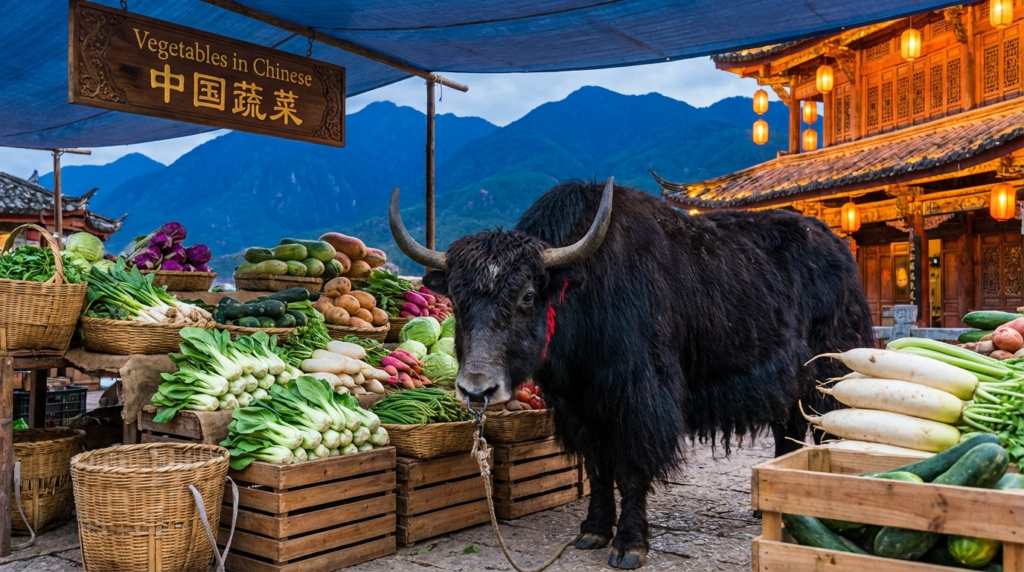
In Chinese, 蔬菜 shūcài means “vegetables.” Below, you will learn the common names, a bunch of practical phrases, and plenty of example sentences so the words do not just float around in your brain like lonely cabbages.
Quick Tip: In real life, Chinese speakers often say a vegetable name by itself, like 土豆 tǔdòu for potato, instead of repeating 蔬菜 shūcài every time. Good. One less word to babysit.
Core Vegetable Cards
土豆
tǔdòu
potato
我喜欢吃土豆。
wǒ xǐhuān chī tǔdòu.
I like eating potatoes.
西红柿
xīhóngshì
tomato
这个西红柿很新鲜。
zhège xīhóngshì hěn xīnxiān.
This tomato is very fresh.
胡萝卜
húluóbo
carrot
汤里有胡萝卜。
tāng lǐ yǒu húluóbo.
There are carrots in the soup.
白菜
báicài
Chinese cabbage
我买了一颗白菜。
wǒ mǎi le yì kē báicài.
I bought one head of Chinese cabbage.
黄瓜
huángguā
cucumber
夏天我常吃黄瓜。
xiàtiān wǒ cháng chī huángguā.
I often eat cucumber in summer.
洋葱
yángcōng
onion
请少放一点洋葱。
qǐng shǎo fàng yìdiǎn yángcōng.
Please add a little less onion.
茄子
qiézi
eggplant
今天晚饭有茄子。
jīntiān wǎnfàn yǒu qiézi.
There is eggplant for dinner tonight.
菠菜
bōcài
spinach
菠菜炒得很香。
bōcài chǎo de hěn xiāng.
The stir-fried spinach smells great.
Useful Vegetable Phrases And Real-Life Sentences
- 我喜欢吃蔬菜。 wǒ xǐhuān chī shūcài. — I like eating vegetables.
- 你喜欢吃什么蔬菜? nǐ xǐhuān chī shénme shūcài? — What vegetables do you like to eat?
- 这个菜里有什么蔬菜? zhège cài lǐ yǒu shénme shūcài? — What vegetables are in this dish?
- 请多放一点青菜。 qǐng duō fàng yìdiǎn qīngcài. — Please add a bit more leafy greens.
- 请少放洋葱。 qǐng shǎo fàng yángcōng. — Please add less onion.
- 我不吃辣椒。 wǒ bù chī làjiāo. — I do not eat chili peppers.
- 这个西红柿很甜。 zhège xīhóngshì hěn tián. — This tomato is very sweet.
- 黄瓜可以生吃。 huángguā kěyǐ shēngchī. — Cucumber can be eaten raw.
- 我想买两斤土豆。 wǒ xiǎng mǎi liǎng jīn tǔdòu. — I want to buy two jin of potatoes.
- 胡萝卜对眼睛好。 húluóbo duì yǎnjing hǎo. — Carrots are good for your eyes.
- 这道菜有蒜吗? zhè dào cài yǒu suàn ma? — Does this dish have garlic?
- 今天的蔬菜很新鲜。 jīntiān de shūcài hěn xīnxiān. — Today’s vegetables are very fresh.
A Handy Note On 青菜 qīngcài
青菜 qīngcài literally means “green vegetables,” but in daily speech it often means leafy greens in general. It is a wonderfully lazy and useful word when you do not know the exact vegetable name yet. Language survival first, botanical precision later.
Root Vegetables
| Hanzi | Pinyin | Meaning | Example (ZH) | Example (Pinyin) | Translation (EN) |
|---|---|---|---|---|---|
| 土豆 | tǔdòu | potato | 我买了很多土豆。 | wǒ mǎi le hěn duō tǔdòu. | I bought a lot of potatoes. |
| 红薯 | hóngshǔ | sweet potato | 红薯很甜。 | hóngshǔ hěn tián. | Sweet potatoes are sweet. |
| 胡萝卜 | húluóbo | carrot | 小孩子不爱吃胡萝卜。 | xiǎoháizi bù ài chī húluóbo. | Children do not like eating carrots. |
| 白萝卜 | báiluóbo | daikon radish | 白萝卜汤很好喝。 | báiluóbo tāng hěn hǎohē. | Daikon soup is very tasty. |
| 山药 | shānyào | Chinese yam | 山药可以炒着吃。 | shānyào kěyǐ chǎo zhe chī. | Chinese yam can be stir-fried. |
| 芋头 | yùtou | taro | 我喜欢芋头的口感。 | wǒ xǐhuān yùtou de kǒugǎn. | I like the texture of taro. |
| 莲藕 | lián’ǒu | lotus root | 莲藕很脆。 | lián’ǒu hěn cuì. | Lotus root is very crunchy. |
| 洋葱 | yángcōng | onion | 切洋葱的时候我会哭。 | qiē yángcōng de shíhou wǒ huì kū. | I cry when cutting onions. |
| 大蒜 | dàsuàn | garlic | 这道菜放了很多大蒜。 | zhè dào cài fàng le hěn duō dàsuàn. | This dish has a lot of garlic. |
| 姜 | jiāng | ginger | 冬天喝姜茶很舒服。 | dōngtiān hē jiāngchá hěn shūfu. | Drinking ginger tea in winter feels great. |
Leafy Greens And Cabbages
| Hanzi | Pinyin | Meaning | Example (ZH) | Example (Pinyin) | Translation (EN) |
|---|---|---|---|---|---|
| 青菜 | qīngcài | leafy greens | 晚饭我想吃一点青菜。 | wǎnfàn wǒ xiǎng chī yìdiǎn qīngcài. | I want to eat some leafy greens for dinner. |
| 白菜 | báicài | Chinese cabbage | 白菜很适合煮汤。 | báicài hěn shìhé zhǔ tāng. | Chinese cabbage is great for soup. |
| 生菜 | shēngcài | lettuce | 沙拉里有很多生菜。 | shālā lǐ yǒu hěn duō shēngcài. | There is a lot of lettuce in the salad. |
| 菠菜 | bōcài | spinach | 菠菜豆腐汤很常见。 | bōcài dòufu tāng hěn chángjiàn. | Spinach tofu soup is very common. |
| 油菜 | yóucài | bok choy / rapeseed greens | 这盘油菜很嫩。 | zhè pán yóucài hěn nèn. | This plate of bok choy is very tender. |
| 包菜 | bāocài | cabbage | 包菜炒肉很好吃。 | bāocài chǎo ròu hěn hǎochī. | Stir-fried cabbage with meat is delicious. |
| 卷心菜 | juǎnxīncài | cabbage | 卷心菜可以凉拌。 | juǎnxīncài kěyǐ liángbàn. | Cabbage can be served as a cold dish. |
| 芹菜 | qíncài | celery | 我不太喜欢芹菜的味道。 | wǒ bú tài xǐhuān qíncài de wèidào. | I do not really like the taste of celery. |
| 韭菜 | jiǔcài | Chinese chives | 韭菜饺子很有名。 | jiǔcài jiǎozi hěn yǒumíng. | Chive dumplings are very famous. |
| 香菜 | xiāngcài | cilantro / coriander | 你吃香菜吗? | nǐ chī xiāngcài ma? | Do you eat cilantro? |
Fruiting Vegetables
| Hanzi | Pinyin | Meaning | Example (ZH) | Example (Pinyin) | Translation (EN) |
|---|---|---|---|---|---|
| 西红柿 | xīhóngshì | tomato | 西红柿炒鸡蛋是家常菜。 | xīhóngshì chǎo jīdàn shì jiāchángcài. | Tomato and egg stir-fry is a home-style dish. |
| 番茄 | fānqié | tomato | 番茄汤酸酸甜甜。 | fānqié tāng suān suān tián tián. | Tomato soup is sweet and sour. |
| 黄瓜 | huángguā | cucumber | 黄瓜很适合夏天吃。 | huángguā hěn shìhé xiàtiān chī. | Cucumber is great to eat in summer. |
| 茄子 | qiézi | eggplant | 红烧茄子很下饭。 | hóngshāo qiézi hěn xiàfàn. | Braised eggplant goes great with rice. |
| 辣椒 | làjiāo | chili pepper | 这个辣椒太辣了。 | zhège làjiāo tài là le. | This chili pepper is too spicy. |
| 青椒 | qīngjiāo | green pepper | 青椒炒土豆丝很常见。 | qīngjiāo chǎo tǔdòusī hěn chángjiàn. | Stir-fried shredded potato with green pepper is very common. |
| 南瓜 | nánguā | pumpkin | 南瓜粥很香甜。 | nánguā zhōu hěn xiāngtián. | Pumpkin porridge is fragrant and sweet. |
| 冬瓜 | dōngguā | wax gourd | 冬瓜汤很清淡。 | dōngguā tāng hěn qīngdàn. | Wax gourd soup is very light. |
| 苦瓜 | kǔguā | bitter melon | 有些人很喜欢吃苦瓜。 | yǒuxiē rén hěn xǐhuān chī kǔguā. | Some people really like eating bitter melon. |
| 丝瓜 | sīguā | loofah gourd | 丝瓜炒蛋很清爽。 | sīguā chǎo dàn hěn qīngshuǎng. | Loofah gourd with egg is very light and fresh. |
Beans, Mushrooms, And Other Common Vegetables
| Hanzi | Pinyin | Meaning | Example (ZH) | Example (Pinyin) | Translation (EN) |
|---|---|---|---|---|---|
| 豆角 | dòujiǎo | green beans | 豆角要炒熟。 | dòujiǎo yào chǎo shú. | Green beans need to be fully cooked. |
| 四季豆 | sìjìdòu | string beans | 四季豆炒肉很好吃。 | sìjìdòu chǎo ròu hěn hǎochī. | String beans stir-fried with meat are delicious. |
| 豌豆 | wāndòu | peas | 孩子喜欢吃豌豆。 | háizi xǐhuān chī wāndòu. | Kids like eating peas. |
| 玉米 | yùmǐ | corn | 玉米很甜。 | yùmǐ hěn tián. | Corn is very sweet. |
| 蘑菇 | mógu | mushroom | 蘑菇可以用来煮面。 | mógu kěyǐ yòng lái zhǔ miàn. | Mushrooms can be used for noodle soup. |
| 香菇 | xiānggū | shiitake mushroom | 香菇的味道很浓。 | xiānggū de wèidào hěn nóng. | Shiitake mushrooms have a strong flavor. |
| 金针菇 | jīnzhēngū | enoki mushroom | 火锅里常有金针菇。 | huǒguō lǐ cháng yǒu jīnzhēngū. | Enoki mushrooms are often in hot pot. |
| 木耳 | mù’ěr | wood ear mushroom | 木耳很脆。 | mù’ěr hěn cuì. | Wood ear mushrooms are crunchy. |
| 花菜 | huācài | cauliflower | 花菜炒蒜很好吃。 | huācài chǎo suàn hěn hǎochī. | Cauliflower stir-fried with garlic is delicious. |
| 西兰花 | xīlánhuā | broccoli | 我常吃西兰花。 | wǒ cháng chī xīlánhuā. | I often eat broccoli. |
Even More Useful Vegetable Words
| Hanzi | Pinyin | Meaning | Example (ZH) | Example (Pinyin) | Translation (EN) |
|---|---|---|---|---|---|
| 蒜苗 | suànmiáo | garlic shoots | 蒜苗炒肉很香。 | suànmiáo chǎo ròu hěn xiāng. | Garlic shoots stir-fried with meat smell great. |
| 葱 | cōng | scallion / green onion | 面上面有很多葱。 | miàn shàngmian yǒu hěn duō cōng. | There are a lot of scallions on the noodles. |
| 蒜 | suàn | garlic | 我不想吃太多蒜。 | wǒ bù xiǎng chī tài duō suàn. | I do not want to eat too much garlic. |
| 豆芽 | dòuyá | bean sprouts | 豆芽很便宜。 | dòuyá hěn piányi. | Bean sprouts are cheap. |
| 竹笋 | zhúsǔn | bamboo shoots | 竹笋的口感很嫩。 | zhúsǔn de kǒugǎn hěn nèn. | Bamboo shoots have a tender texture. |
| 芦笋 | lúsǔn | asparagus | 芦笋可以烤着吃。 | lúsǔn kěyǐ kǎo zhe chī. | Asparagus can be roasted. |
| 秋葵 | qiūkuí | okra | 秋葵切开以后有点黏。 | qiūkuí qiē kāi yǐhòu yǒudiǎn nián. | Okra is a bit sticky after being cut open. |
| 菜花 | càihuā | cauliflower | 菜花很容易入味。 | càihuā hěn róngyì rùwèi. | Cauliflower absorbs flavor easily. |
| 空心菜 | kōngxīncài | water spinach | 蒜蓉空心菜很受欢迎。 | suànróng kōngxīncài hěn shòu huānyíng. | Water spinach with garlic is very popular. |
| 娃娃菜 | wáwácài | baby napa cabbage | 娃娃菜煮火锅很好吃。 | wáwácài zhǔ huǒguō hěn hǎochī. | Baby napa cabbage tastes great in hot pot. |
Polite And Casual Variants You Will Hear
| Word | Pinyin | Meaning | Notes | Example (ZH) | Example (Pinyin) | Translation (EN) |
|---|---|---|---|---|---|---|
| 西红柿 | xīhóngshì | tomato | Very common in the north | 我买了两个西红柿。 | wǒ mǎi le liǎng gè xīhóngshì. | I bought two tomatoes. |
| 番茄 | fānqié | tomato | Also very common, often on menus | 番茄鸡蛋面很好吃。 | fānqié jīdàn miàn hěn hǎochī. | Tomato and egg noodles are delicious. |
| 包菜 | bāocài | cabbage | Common casual term | 今天买一点包菜吧。 | jīntiān mǎi yìdiǎn bāocài ba. | Let’s buy some cabbage today. |
| 卷心菜 | juǎnxīncài | cabbage | More formal / dictionary style | 卷心菜可以做沙拉。 | juǎnxīncài kěyǐ zuò shālā. | Cabbage can be used for salad. |
| 花菜 | huācài | cauliflower | Common spoken form | 我想吃花菜炒肉。 | wǒ xiǎng chī huācài chǎo ròu. | I want to eat cauliflower stir-fried with meat. |
| 菜花 | càihuā | cauliflower | Another common form | 菜花不难做。 | càihuā bù nán zuò. | Cauliflower is not hard to cook. |
Quick Reference Summary
- 蔬菜 shūcài = vegetables
- 青菜 qīngcài = leafy greens, a very handy general word
- 西红柿 xīhóngshì and 番茄 fānqié both mean tomato
- 包菜 bāocài and 卷心菜 juǎnxīncài both mean cabbage
- 花菜 huācài and 菜花 càihuā both mean cauliflower
- Use simple food sentences like 我喜欢吃菠菜。 wǒ xǐhuān chī bōcài. — I like eating spinach.
Final Yak Box
You do not need to memorize every vegetable in one heroic sitting. Start with ten words you will actually say, like 土豆 tǔdòu, 黄瓜 huángguā, 菠菜 bōcài, and 西红柿 xīhóngshì. Then use them in tiny sentences until they sound normal instead of suspiciously textbook-ish.
The best trick is boring but effective: say the word, say the pinyin, say a sentence, repeat tomorrow. Glamorous? No. Useful? Very.