Chinese Numbers in Simplified Chinese for Beginners
Learn how to count in simplified Chinese with numbers, prices, dates, age, and everyday phrases: 数字 shùzì.
Chinese numbers look scary for about five minutes, and then they become weirdly logical. That is the good news. The bad news is that once you learn them, you will start spotting them everywhere: prices, dates, phone numbers, floors, times, ages, and those suspiciously large online shopping discounts.
In this guide, you will learn the core number system in simplified Chinese, plus useful counting phrases people actually use in mainland China. Every item includes 汉字 hànzì, pinyin, meaning, and a real sentence, so you are not just memorizing a sad little list.
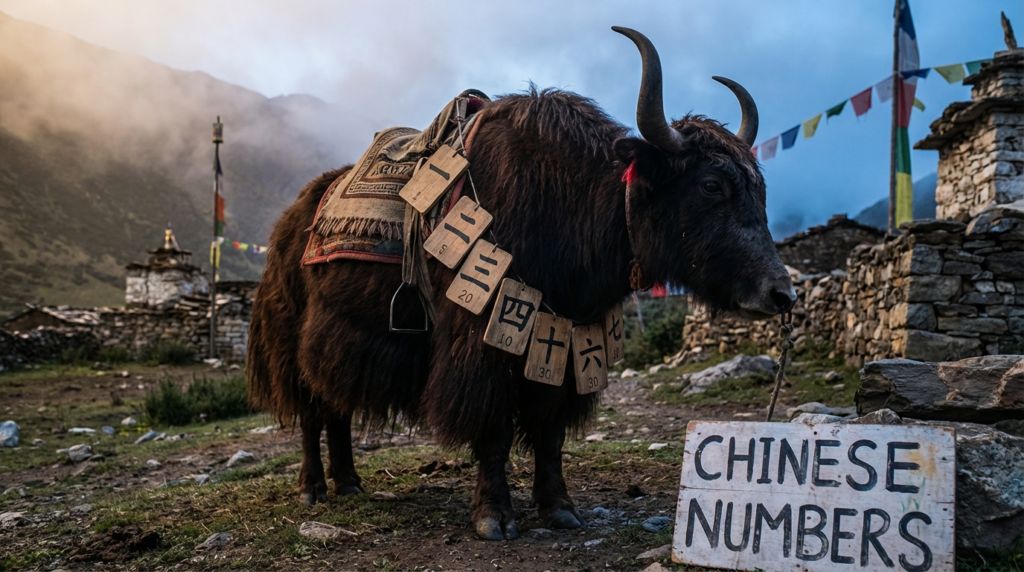
Quick Reality Check: Chinese numbers are built like math blocks. Once you know 一 yī, 十 shí, 百 bǎi, 千 qiān, and 万 wàn, you can build a lot. Tiny system, huge payoff. Beautiful. Slightly rude to English, honestly.
Number Cards You Should Learn First
零 líng
zero
今天是零下两度。Jīntiān shì língxià liǎng dù. Today it is two degrees below zero.
一 yī
one
我有一个问题。Wǒ yǒu yí ge wèntí. I have one question.
二 èr / 两 liǎng
two
我有两个哥哥。Wǒ yǒu liǎng ge gēge. I have two older brothers.
十 shí
ten
我十点上班。Wǒ shí diǎn shàngbān. I start work at ten o’clock.
百 bǎi
hundred
这件衣服一百块。Zhè jiàn yīfu yì bǎi kuài. This piece of clothing is 100 yuan.
千 qiān
thousand
这个手机三千多块。Zhège shǒujī sān qiān duō kuài. This phone costs a bit over 3,000 yuan.
万 wàn
ten thousand
这个城市有一万多家餐厅。Zhège chéngshì yǒu yí wàn duō jiā cāntīng. This city has more than 10,000 restaurants.
第 dì
ordinal marker: first, second, third
我住在第三层。Wǒ zhù zài dì sān céng. I live on the third floor.
How Chinese Numbers Work
The system is wonderfully stacked. Eleven is 十一 shíyī, literally “ten-one.” Twenty is 二十 èrshí, literally “two-ten.” Twenty-three is 二十三 èrshísān, literally “two-ten-three.” Chinese looked at this and said, “Let’s keep it efficient.”
| Pattern | Meaning | Example ZH | Pinyin | English |
|---|---|---|---|---|
| 十 + number | 11–19 | 十五 | shíwǔ | 15 |
| number + 十 | 20, 30, 40… | 四十 | sìshí | 40 |
| number + 十 + number | 21, 35, 98… | 六十八 | liùshíbā | 68 |
| number + 百 | hundreds | 三百 | sān bǎi | 300 |
| number + 千 | thousands | 九千 | jiǔ qiān | 9,000 |
| number + 万 | ten-thousands | 两万 | liǎng wàn | 20,000 |
Useful Phrases And Real-Life Sentences
- 几 jǐ — how many (small numbers)
你家有几口人?Nǐ jiā yǒu jǐ kǒu rén? How many people are in your family? - 多少 duōshao — how much / how many
这个多少钱?Zhège duōshao qián? How much is this? - 一个 yí ge — one
我要一个。Wǒ yào yí ge. I want one. - 两个 liǎng ge — two
我们点两个菜吧。Wǒmen diǎn liǎng ge cài ba. Let’s order two dishes. - 第一 dìyī — first
他是第一个到的。Tā shì dì yí ge dào de. He was the first to arrive. - 第二 dì’èr — second
第二题很简单。Dì’èr tí hěn jiǎndān. The second question is easy. - 第三 dìsān — third
我在第三排。Wǒ zài dì sān pái. I am in the third row. - 一半 yí bàn — half
这个西瓜切一半。Zhège xīguā qiē yí bàn. Cut this watermelon in half. - 一次 yí cì — one time / once
我去过北京一次。Wǒ qùguo Běijīng yí cì. I have been to Beijing once. - 两次 liǎng cì — two times / twice
这部电影我看了两次。Zhè bù diànyǐng wǒ kàn le liǎng cì. I watched this movie twice. - 几十 jǐ shí — dozens / several tens
那里有几十个人。Nàli yǒu jǐ shí ge rén. There are dozens of people there. - 几百 jǐ bǎi — several hundred
这本词典要几百块。Zhè běn cídiǎn yào jǐ bǎi kuài. This dictionary costs several hundred yuan.
Core Numbers: 0 To 10
| Hanzi | Pinyin | Meaning | Example (ZH) | Example (Pinyin) | Translation (EN) |
|---|---|---|---|---|---|
| 零 | líng | zero | 我的房间号是零六。 | Wǒ de fángjiān hào shì líng liù. | My room number is 06. |
| 一 | yī | one | 我买了一本书。 | Wǒ mǎi le yì běn shū. | I bought one book. |
| 二 | èr | two | 二月很冷。 | Èr yuè hěn lěng. | February is cold. |
| 两 | liǎng | two (used before many measure words) | 我想要两杯茶。 | Wǒ xiǎng yào liǎng bēi chá. | I want two cups of tea. |
| 三 | sān | three | 我们三个人一起去。 | Wǒmen sān ge rén yìqǐ qù. | The three of us will go together. |
| 四 | sì | four | 现在四点了。 | Xiànzài sì diǎn le. | It is four o’clock now. |
| 五 | wǔ | five | 我住在五楼。 | Wǒ zhù zài wǔ lóu. | I live on the fifth floor. |
| 六 | liù | six | 他六岁了。 | Tā liù suì le. | He is six years old. |
| 七 | qī | seven | 我们七点见。 | Wǒmen qī diǎn jiàn. | Let’s meet at seven. |
| 八 | bā | eight | 八个人报名了。 | Bā ge rén bàomíng le. | Eight people signed up. |
| 九 | jiǔ | nine | 她九月回国。 | Tā jiǔ yuè huíguó. | She returns to her country in September. |
| 十 | shí | ten | 我有十块钱。 | Wǒ yǒu shí kuài qián. | I have ten yuan. |
Teen Numbers: 11 To 19
| Hanzi | Pinyin | Meaning | Example (ZH) | Example (Pinyin) | Translation (EN) |
|---|---|---|---|---|---|
| 十一 | shíyī | eleven | 现在十一点。 | Xiànzài shíyī diǎn. | It is eleven now. |
| 十二 | shí’èr | twelve | 我十二月去哈尔滨。 | Wǒ shí’èr yuè qù Hā’ěrbīn. | I am going to Harbin in December. |
| 十三 | shísān | thirteen | 他今年十三岁。 | Tā jīnnián shísān suì. | He is thirteen this year. |
| 十四 | shísì | fourteen | 这个班有十四个学生。 | Zhège bān yǒu shísì ge xuésheng. | This class has fourteen students. |
| 十五 | shíwǔ | fifteen | 我们十五号考试。 | Wǒmen shíwǔ hào kǎoshì. | We have an exam on the 15th. |
| 十六 | shíliù | sixteen | 她十六岁开始学中文。 | Tā shíliù suì kāishǐ xué Zhōngwén. | She started learning Chinese at sixteen. |
| 十七 | shíqī | seventeen | 我住在十七楼。 | Wǒ zhù zài shíqī lóu. | I live on the seventeenth floor. |
| 十八 | shíbā | eighteen | 他十八点下班。 | Tā shíbā diǎn xiàbān. | He finishes work at 18:00. |
| 十九 | shíjiǔ | nineteen | 这本书十九块九。 | Zhè běn shū shíjiǔ kuài jiǔ. | This book is 19.9 yuan. |
Tens: 20 To 90
| Hanzi | Pinyin | Meaning | Example (ZH) | Example (Pinyin) | Translation (EN) |
|---|---|---|---|---|---|
| 二十 | èrshí | twenty | 我二十分钟后到。 | Wǒ èrshí fēnzhōng hòu dào. | I will arrive in twenty minutes. |
| 三十 | sānshí | thirty | 这件衣服三十块。 | Zhè jiàn yīfu sānshí kuài. | This clothing item is 30 yuan. |
| 四十 | sìshí | forty | 他四十岁了。 | Tā sìshí suì le. | He is forty years old. |
| 五十 | wǔshí | fifty | 今天来了五十个人。 | Jīntiān lái le wǔshí ge rén. | Fifty people came today. |
| 六十 | liùshí | sixty | 奶奶六十岁退休了。 | Nǎinai liùshí suì tuìxiū le. | Grandma retired at sixty. |
| 七十 | qīshí | seventy | 这条路限速七十。 | Zhè tiáo lù xiànsù qīshí. | The speed limit on this road is 70. |
| 八十 | bāshí | eighty | 这双鞋八十块。 | Zhè shuāng xié bāshí kuài. | This pair of shoes is 80 yuan. |
| 九十 | jiǔshí | ninety | 爷爷快九十岁了。 | Yéye kuài jiǔshí suì le. | Grandpa is almost ninety. |
Big Numbers You Will Actually See
| Hanzi | Pinyin | Meaning | Example (ZH) | Example (Pinyin) | Translation (EN) |
|---|---|---|---|---|---|
| 一百 | yì bǎi | one hundred | 这本教材一百页。 | Zhè běn jiàocái yì bǎi yè. | This textbook has 100 pages. |
| 两百 | liǎng bǎi | two hundred | 这台机器两百公斤。 | Zhè tái jīqì liǎng bǎi gōngjīn. | This machine weighs 200 kilograms. |
| 三百 | sān bǎi | three hundred | 这张桌子三百块。 | Zhè zhāng zhuōzi sān bǎi kuài. | This table costs 300 yuan. |
| 一千 | yì qiān | one thousand | 这个电脑一千多块。 | Zhège diànnǎo yì qiān duō kuài. | This computer costs a bit over 1,000 yuan. |
| 两千 | liǎng qiān | two thousand | 学校有两千多个学生。 | Xuéxiào yǒu liǎng qiān duō ge xuésheng. | The school has more than 2,000 students. |
| 一万 | yí wàn | ten thousand | 这个小区有一万多人。 | Zhège xiǎoqū yǒu yí wàn duō rén. | More than 10,000 people live in this residential area. |
| 十万 | shí wàn | one hundred thousand | 这辆车要十万块左右。 | Zhè liàng chē yào shí wàn kuài zuǒyòu. | This car costs around 100,000 yuan. |
| 一百万 | yì bǎi wàn | one million | 这个视频有一百万次播放。 | Zhège shìpín yǒu yì bǎi wàn cì bòfàng. | This video has one million plays. |
Number Phrases For Everyday Mandarin
| Hanzi | Pinyin | Meaning | Example (ZH) | Example (Pinyin) | Translation (EN) |
|---|---|---|---|---|---|
| 第一个 | dì yí ge | the first one | 我是第一个来的。 | Wǒ shì dì yí ge lái de. | I was the first one to come. |
| 第二天 | dì’èr tiān | the second day / next day | 第二天我们去了上海。 | Dì’èr tiān wǒmen qù le Shànghǎi. | The next day we went to Shanghai. |
| 第三排 | dì sān pái | third row | 请坐第三排。 | Qǐng zuò dì sān pái. | Please sit in the third row. |
| 一半 | yí bàn | half | 这杯咖啡我只喝了一半。 | Zhè bēi kāfēi wǒ zhǐ hē le yí bàn. | I only drank half of this coffee. |
| 一个半 | yí ge bàn | one and a half | 路上要一个半小时。 | Lùshang yào yí ge bàn xiǎoshí. | The trip takes one and a half hours. |
| 一次 | yí cì | once / one time | 这个词我说一次,你听好。 | Zhège cí wǒ shuō yí cì, nǐ tīng hǎo. | I will say this word once, listen carefully. |
| 两次 | liǎng cì | twice / two times | 我去过成都两次。 | Wǒ qùguo Chéngdū liǎng cì. | I have been to Chengdu twice. |
| 三次 | sān cì | three times | 这个问题老师解释了三次。 | Zhège wèntí lǎoshī jiěshì le sān cì. | The teacher explained this question three times. |
| 几岁 | jǐ suì | how old | 你弟弟几岁? | Nǐ dìdi jǐ suì? | How old is your younger brother? |
| 多少岁 | duōshao suì | how old | 您今年多少岁? | Nín jīnnián duōshao suì? | How old are you this year? |
| 几号 | jǐ hào | what date | 今天几号? | Jīntiān jǐ hào? | What is today’s date? |
| 几月 | jǐ yuè | what month | 你的生日是几月? | Nǐ de shēngrì shì jǐ yuè? | What month is your birthday in? |
| 几个人 | jǐ ge rén | how many people | 你们一共几个人? | Nǐmen yígòng jǐ ge rén? | How many people are there in total? |
| 多少钱 | duōshao qián | how much money | 这条裤子多少钱? | Zhè tiáo kùzi duōshao qián? | How much are these pants? |
Common Confusions That Trip People Up
- 二 èr vs 两 liǎng: use 二 èr for counting, math, phone numbers, and set numbers like 二月 èr yuè, “February.” Use 两 liǎng before many measure words: 两个人 liǎng ge rén, “two people.”
- 一 yī changes tone in real speech sometimes. You will hear yí before a fourth-tone syllable, as in 一个 yí ge. That is normal, not language betrayal.
- 万 wàn means ten thousand. Chinese groups big numbers differently from English. So 10,000 is 一万 yí wàn, not “ten thousand” built around “thousand” first.
- 两百 liǎng bǎi and 二百 èr bǎi can both appear, but 两百 liǎng bǎi sounds more natural in many everyday situations.
Practice: Build The Number
- 23 = 二十三 èrshísān
- 46 = 四十六 sìshíliù
- 105 = 一百零五 yì bǎi líng wǔ
- 2,000 = 两千 liǎng qiān
- 12,000 = 一万两千 yí wàn liǎng qiān
Say these out loud a few times. Numbers are one of those topics where your mouth needs practice as much as your brain. Very inconvenient, yes.
Quick Reference Summary
- 0 = 零 líng
- 1–10 = 一 yī to 十 shí
- 11–19 = 十 shí + number
- 20, 30, 40… = number + 十 shí
- 21, 35, 68… = number + 十 shí + number
- 100 = 百 bǎi, 1,000 = 千 qiān, 10,000 = 万 wàn
- Ordinals use 第 dì: 第一 dìyī, 第二 dì’èr, 第三 dìsān
- Use 两 liǎng before many measure words: 两个人 liǎng ge rén
Yak Tip
Master numbers early and your Chinese gets instantly more useful. You can ask prices, say your age, read dates, understand times, and count things without smiling helplessly at the universe. That is progress.